17–19 września 2025
Przebieg konferencji
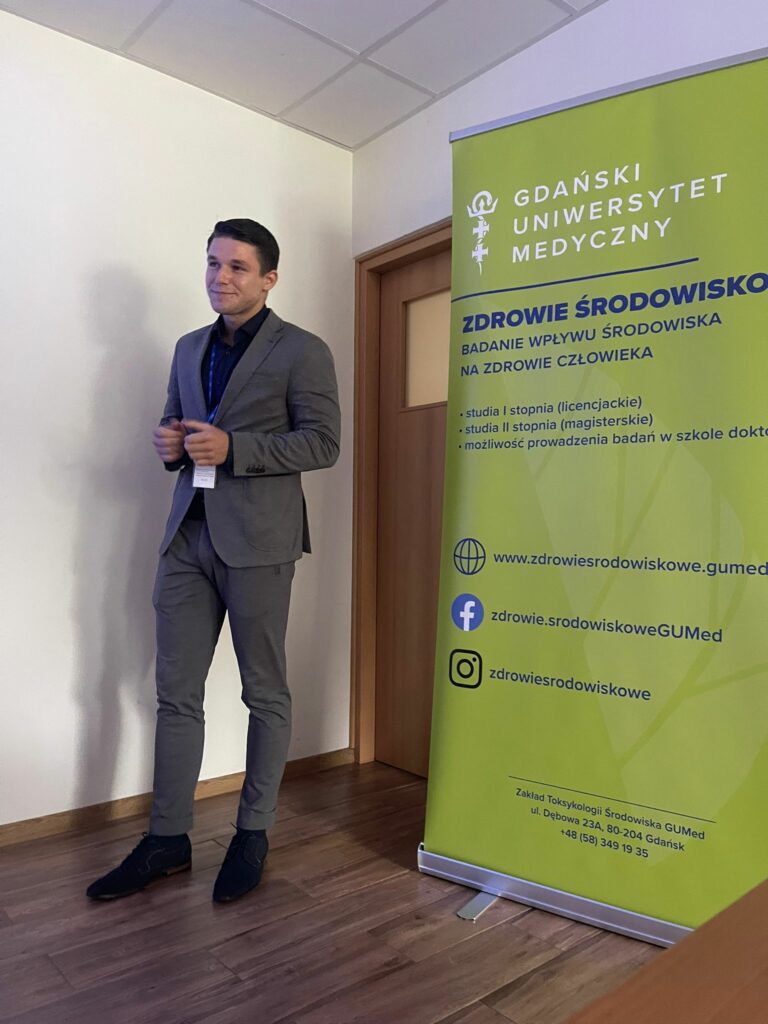
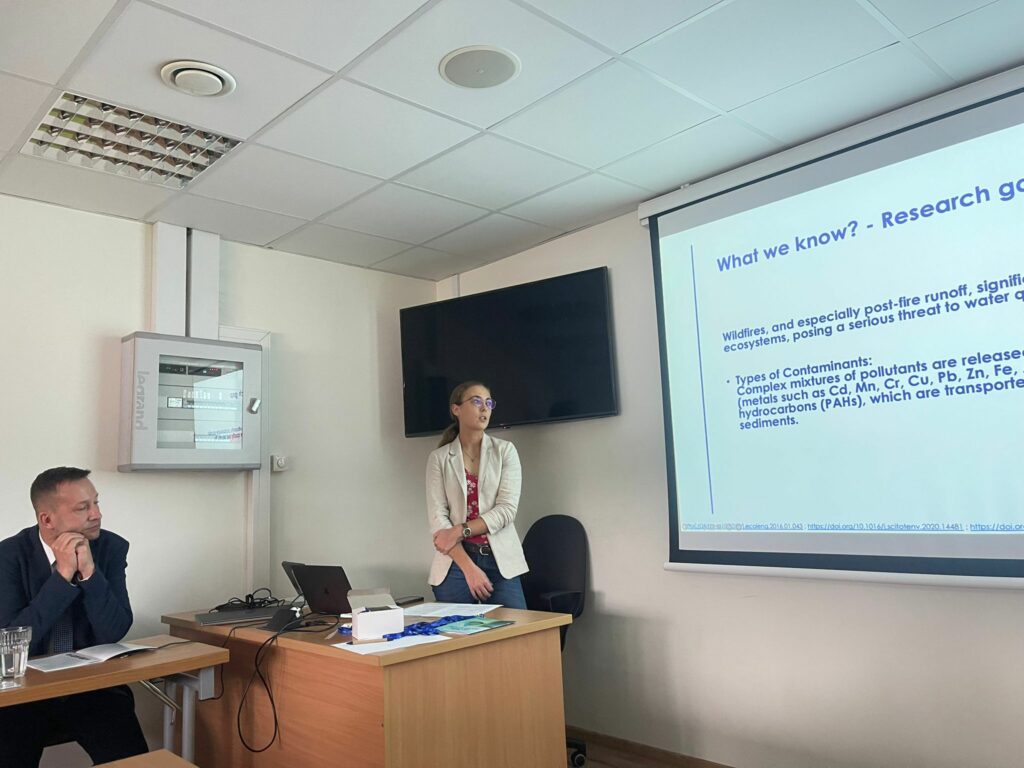
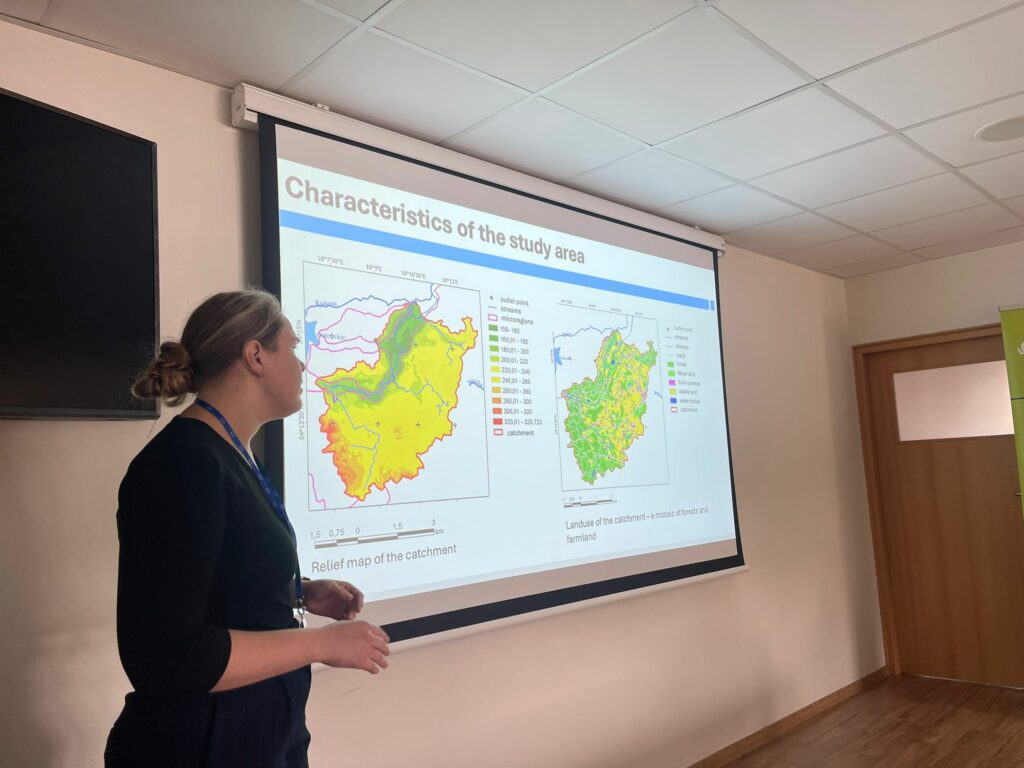
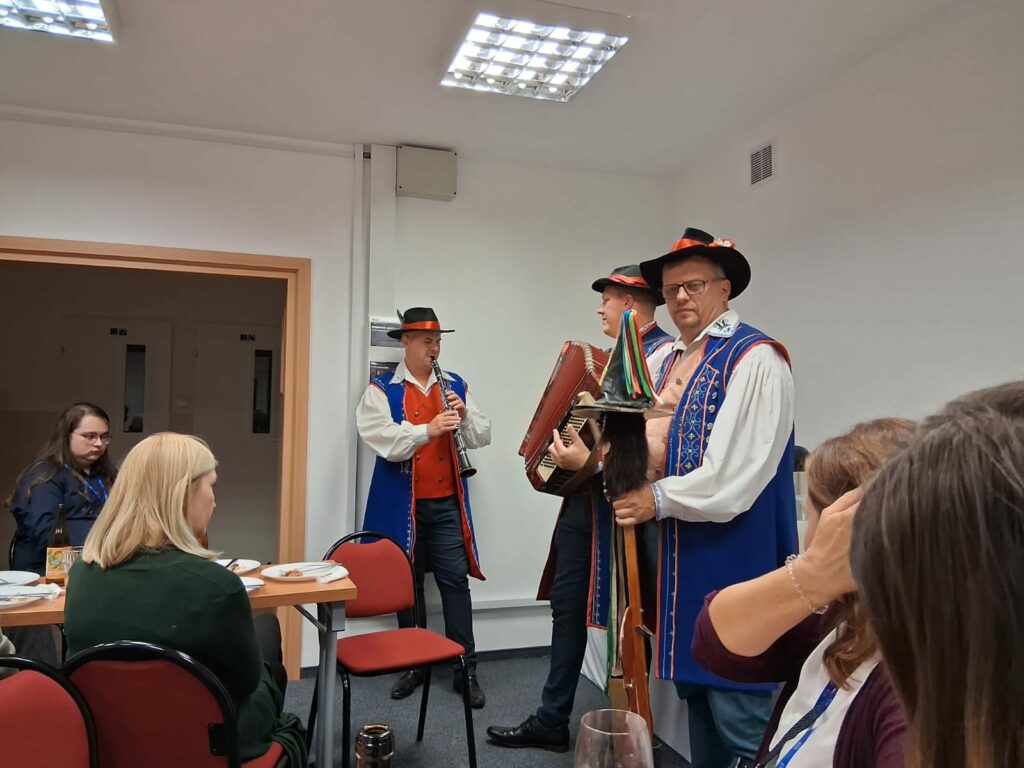
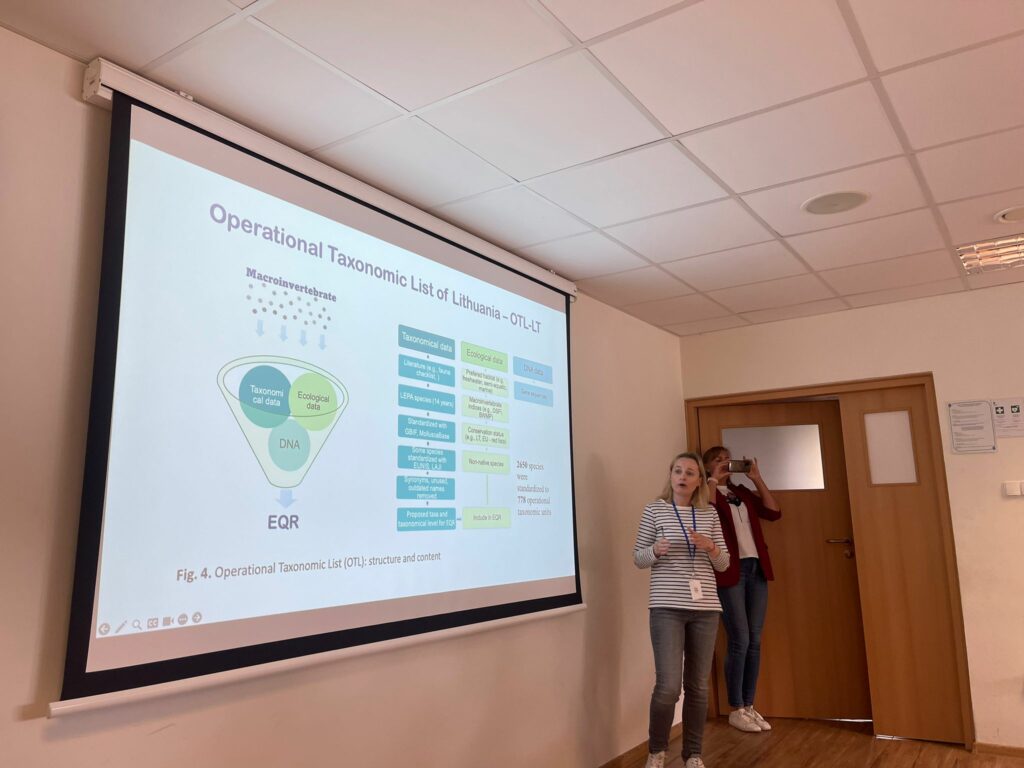
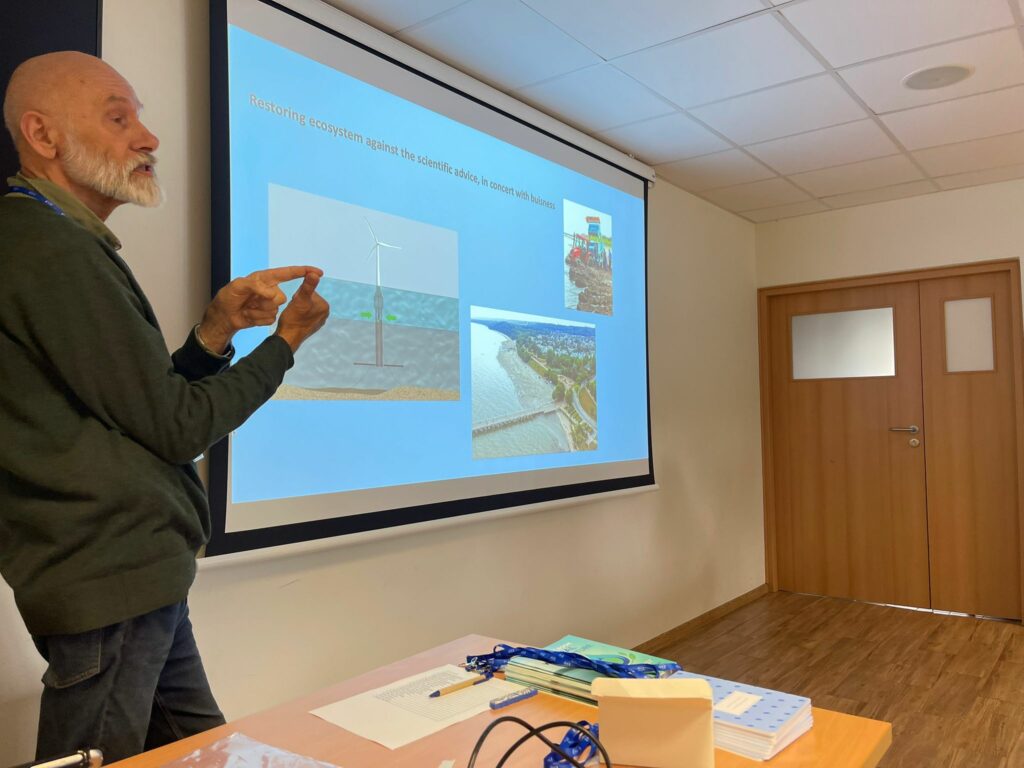
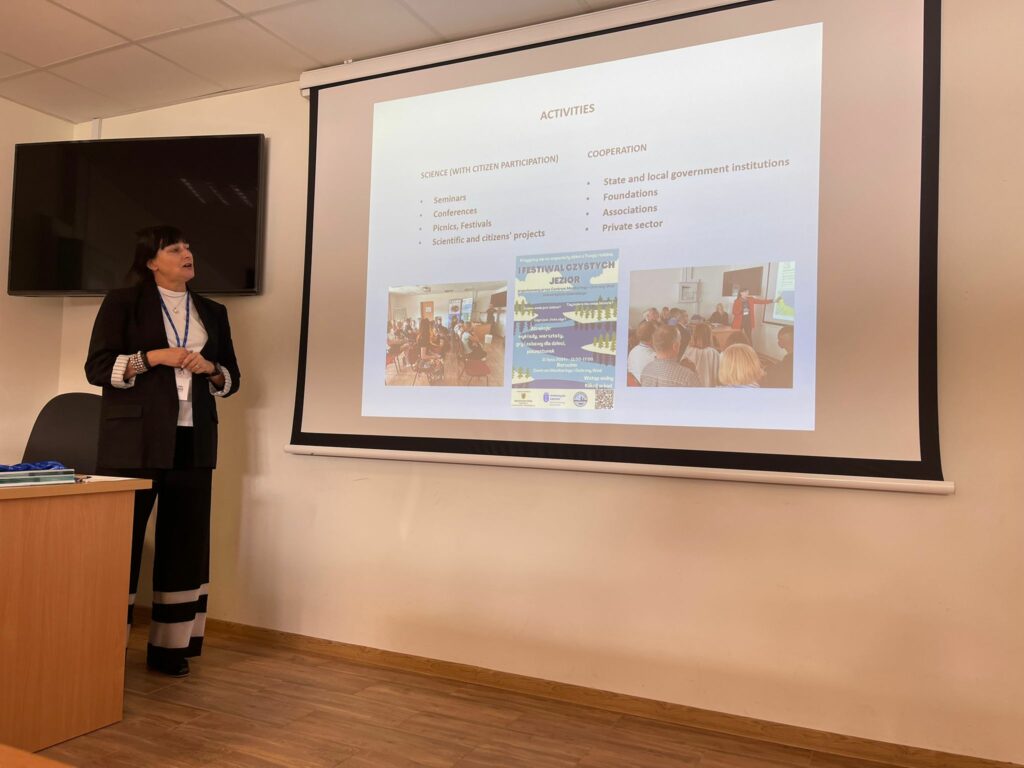
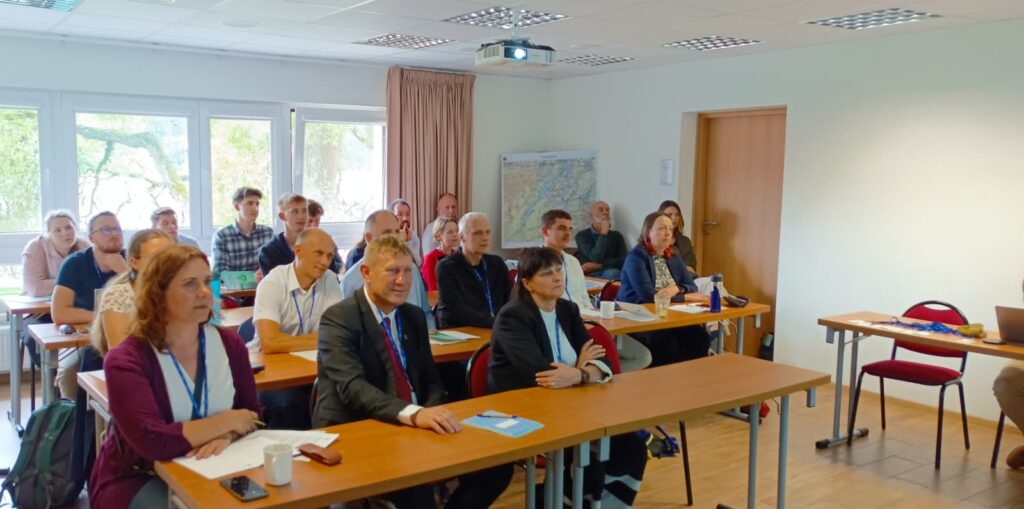
Pierwszy dzień konferencji rozpoczął się rejestracją uczestników oraz uroczystym otwarciem prowadzonym przez prof. Julitę Dunalską. Następnie odbył się wykład inauguracyjny prof. Jana Marcina Węsławskiego pt. „Water ecosystems protection strategies – basic problems of Man-Nature relations”, który nadał ton dalszym obradom. W kolejnych wystąpieniach poruszano tematy związane z kryzysem wodnym i migracjami klimatycznymi, rolą okresowych zbiorników wodnych i makrobezkręgowców w ekosystemach oraz standaryzacją narzędzi oceny jakości wód. Po południu odbył się warsztat dotyczący różnorodności gatunkowej fitoplanktonu w monitoringu wód. Dzień zakończyła uroczysta kolacja „Kashubian Feast”, podczas której wystąpił zespół Bufet, zapewniając muzyczną oprawę spotkania.
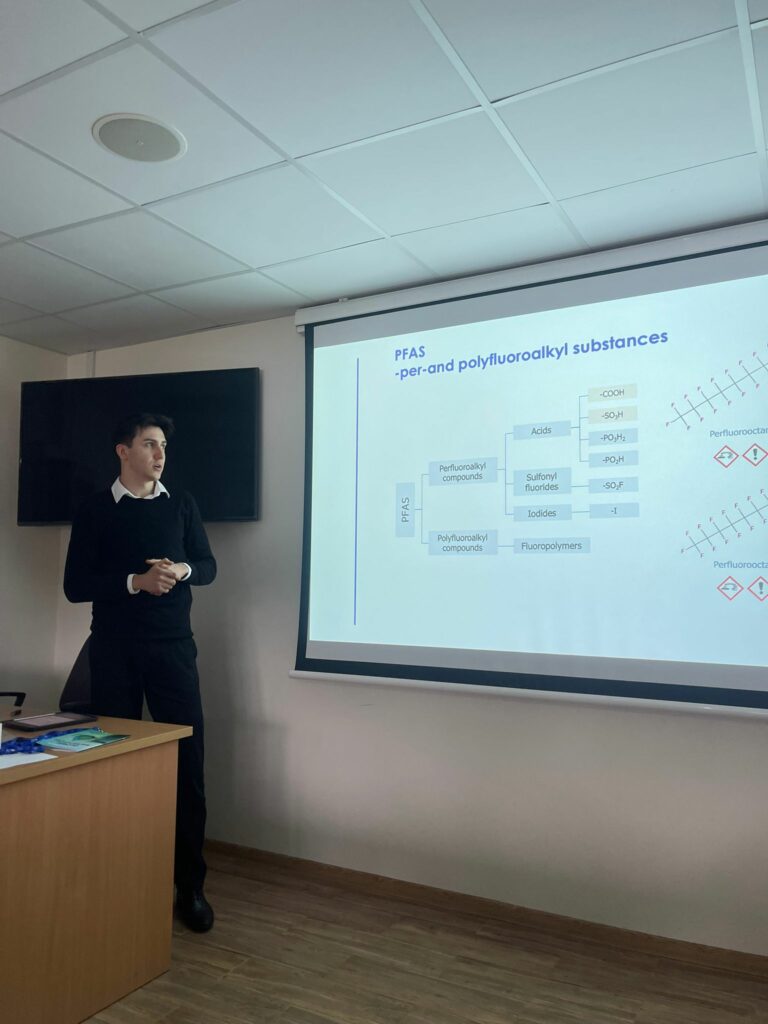
Drugiego dnia uczestnicy wysłuchali serii referatów poświęconych transformacjom sieci hydrograficznych w krajobrazach młodoglacjalnych, problematyce efemerycznych zbiorników wodnych w kontekście urbanizacji, nowoczesnym podejściom do oceny jakości wód oraz paleośrodowiskowym zapisom jezior i torfowisk. Kolejna sesja skoncentrowana była na zanieczyszczeniach chemicznych w ściekach pożarniczych, zagrożeniach wynikających z obecności pierwiastków ziem rzadkich oraz związków PFAS. Po południu omówiono zagadnienia monitoringu jezior lobeliowych i rekreacyjnych, alternatywnych wskaźników mikrobiologicznych oraz zastosowania GIS i teledetekcji w badaniach jakości wód miejskich. Dzień zakończyło spotkanie networkingowe sprzyjające integracji uczestników.
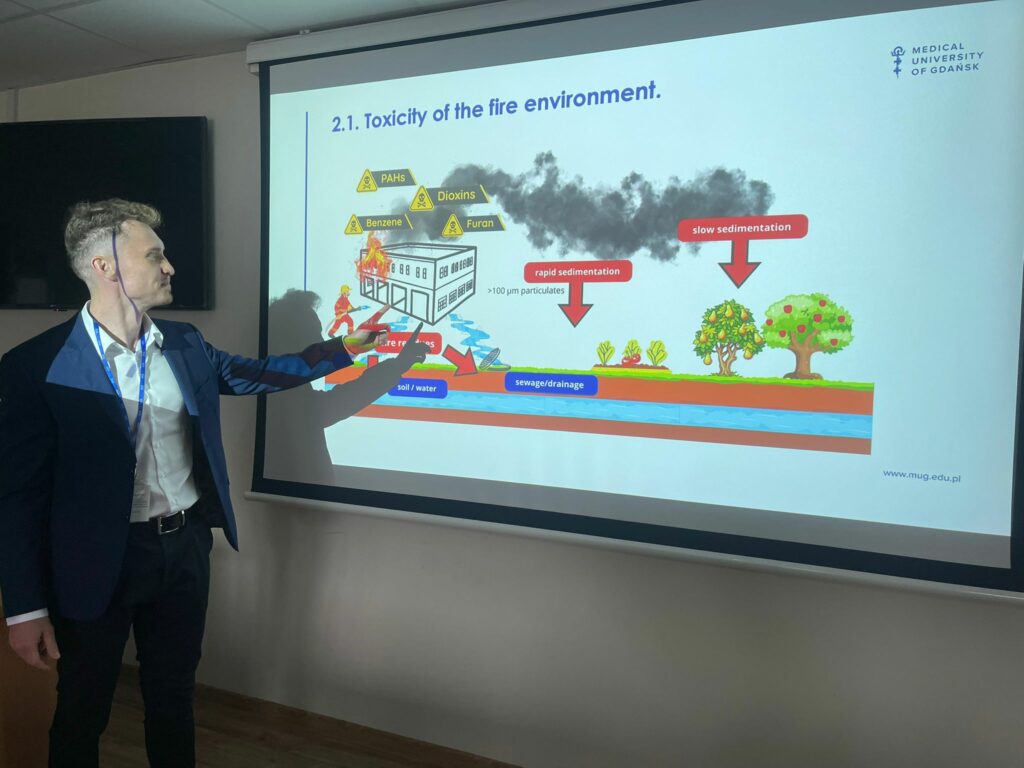
Trzeciego dnia odbyła się sesja posterowa, w ramach której zaprezentowano liczne prace młodych badaczy. Następnie uczestnicy wzięli udział w warsztacie terenowym „Between Lakes and Landforms: A Guided Walk in the Postglacial Landscape”, który pozwolił na praktyczne spojrzenie na zagadnienia poruszane w referatach. Konferencję zakończono uroczystym podsumowaniem, podczas którego wręczono nagrody: kpt. mgr Kamil Pająk został wyróżniony za prezentację „Chemical Contamination in Firefighting Wastewater: A Silent Threat to Aquatic Ecosystems?”, a dr Agata Jurczak-Kurek za wystąpienie „Enterophages as alternative indicators for water quality monitoring: a study in the Pomerania region of Northern Poland”.
Podziękowania
Organizatorzy składają serdeczne podziękowania patronom i sponsorom, w tym Słodki Kaprys oraz Ekoserwis, za wsparcie i pomoc w organizacji wydarzenia. Pełna lista partnerów znajduje się na stronie konferencji GloWaF 2025.
Więcej informacji można znaleźć na oficjalnej stronie konferencji: www.glowaf.eu.
17–19 September 2025
Conference Proceedings
The first day of the conference began with participant registration and the official opening led by Prof. Julita Dunalska. The keynote lecture delivered by Prof. Jan Marcin Węsławski, entitled “Water ecosystems protection strategies – basic problems of Man-Nature relations,” set the tone for the sessions to follow. Presentations addressed topics such as the water crisis and climate-induced migration, the ecological role of ephemeral water bodies and macroinvertebrates, and the standardization of freshwater ecological assessment tools. In the afternoon, a workshop on phytoplankton species diversity as an element of water monitoring was held. The day concluded with the festive Kashubian Feast, accompanied by a live performance from the band Bufet.
On the second day, participants attended a series of talks focusing on the transformation of hydrographic networks in young post-glacial landscapes, challenges related to ephemeral water bodies under suburbanization, modern approaches to water quality assessment, and the paleoenvironmental record from lakes and peatlands. Another session addressed chemical contamination in firefighting wastewater, the environmental risks posed by rare earth elements, and PFAS pollution. In the afternoon, discussions continued with topics such as monitoring lobelia and recreational lakes, using enterophages as alternative microbial indicators, and the role of GIS and remote sensing in urban water quality monitoring. The day closed with a networking meeting fostering collaboration and exchange.
The third day opened with a poster session featuring numerous contributions from young researchers. This was followed by the field workshop “Between Lakes and Landforms: A Guided Walk in the Postglacial Landscape,” offering participants a practical perspective on water-related issues. The conference concluded with a summary and award ceremony: Capt. M.Sc. Kamil Pająk was recognized for his presentation “Chemical Contamination in Firefighting Wastewater: A Silent Threat to Aquatic Ecosystems?”, and Dr. Agata Jurczak-Kurek received an award for her talk “Enterophages as alternative indicators for water quality monitoring: a study in the Pomerania region of Northern Poland.”
Acknowledgements
The organizers sincerely thank the patrons and sponsors, including Słodki Kaprys and Ekoserwis, for their support in making this event possible. The complete list of partners can be found on the GloWaF 2025 conference website.
Further details are available on the official website: www.glowaf.eu.